
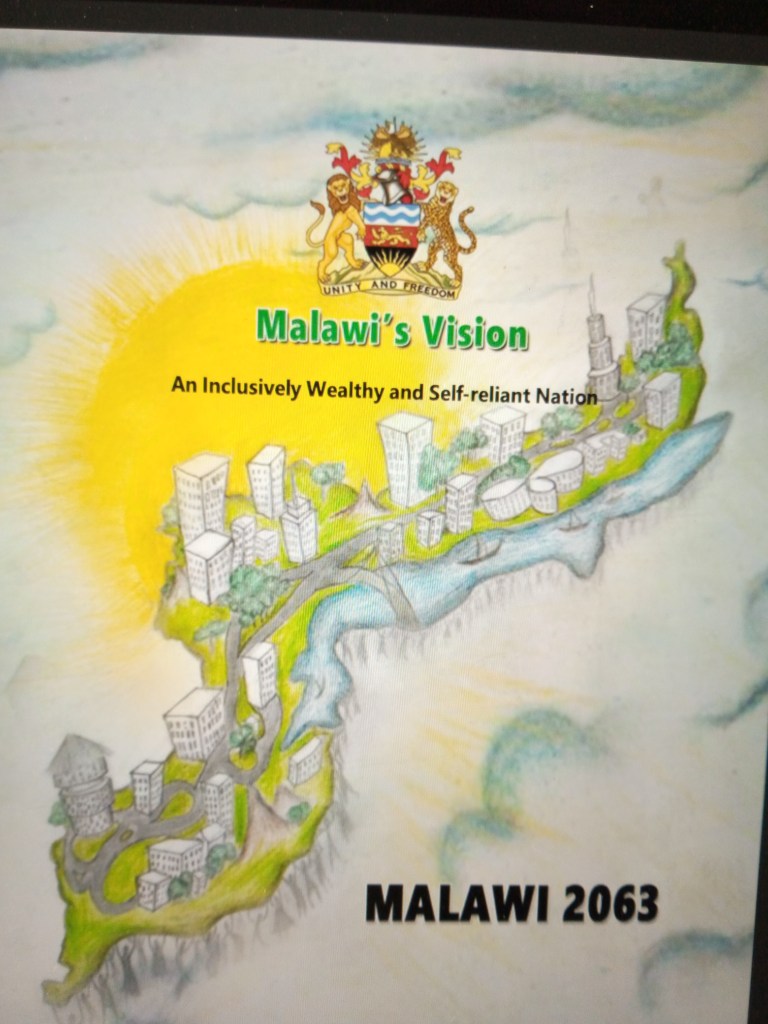
Along with other African countries, Malawi has been challenged by the African Union to imagine what kind of country it will be in 2063. Unsurprisingly, much of the aspiration is pinned on becoming a more prosperous country – self-reliant and middle-income. The big question is how to get there.
To the credit of Malawi’s National Planning Commission they have looked beyond technical economic issues to direct attention to the fundamental values on which a strong economy can be built. They do not mince their words: “As Malawians, we denounce our hitherto attitude of dependency on donors and handouts, materialism and self-accumulation through corrupt practices. We will instead embrace and commit to self-discipline, self-initiative and self-dependency.”
The key phrase that captures the transformative vision is “mindset change.” As the Commission explains: “the attainment of our ambitious development aspirations will require the cultivation of a new way of thinking and doing things.”
The idea of transforming one’s way of thinking is one that has a lot of resonance with the biblical vision. As Paul wrote to the Romans: “Be not conformed to this age but be transformed by the renewing of your mind, that you may discern what is the good, pleasing, and perfect will of God (Romans 12:2).
Malawi’s theologians are currently busy exploring what they might have to offer to the country’s quest for a mindset change. The national Theological Society plans to hold its fourth annual conference in September with a focus on mindset change. It hopes to show what the discipline of theology has to offer to the attainment of the nation’s aspirations.
Malawians, of course, are not the only people in need of a mindset change. In this time of climate crisis, the entire human community needs to cultivate new ways of thinking and new ways of living. The biblical language of transformation has never been more urgently needed.
 Thinking Mission Blog
This is insightful and encouraging as ever!
LikeLike