
Modern life has distanced many of us from nature. Typical University life is spent in classrooms, offices and conference halls – very much in the built environment. Belatedly we have realised that we are missing something. Rather than the natural world being something for a leisure excursion, what if it needs to be at the centre of our academic discussions?
Behind this question about where to locate academic endeavour, lies a deeper question about anthropocentrism. We have been used to placing humanity centre stage and looking at everything else in terms of how it serves the human project. Now that our natural environment is in jeopardy, we come to realise that this might be a mistake.
Amongst other disciplines, theology has had to be self-critical. We have been comfortable with theologies that placed human life front and centre. Today in our ecological crisis such theologies are not standing up well. There is urgent need for a new humility that recognises that human life is but one part of the created order, and one that is dependent on many other parts.
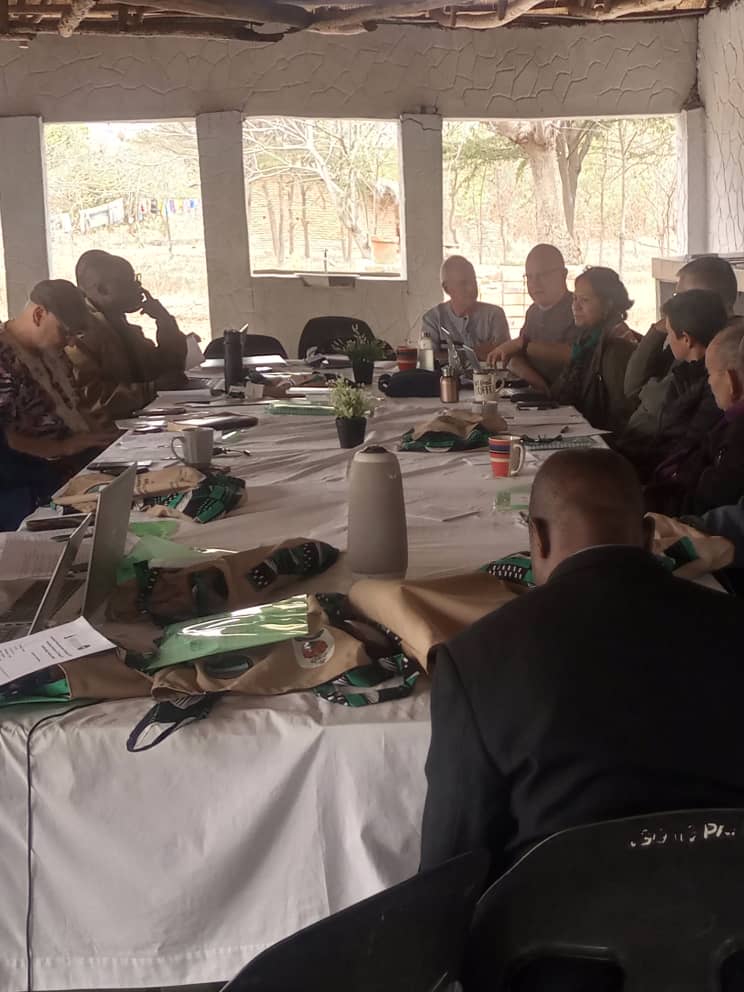
With this new awareness gradually dawning upon us, this week a group of theologians met not on the corridors of a University but in a very rural context in Malawi. The University of Pretoria and Zomba Theological University are building an academic partnership. When we turned our attention to ecotheology, we agreed that we should meet at a venue where the natural environment would be vivid.
This took us to Liwonde Game Reserve, just over an hour’s drive from Zomba but in a very different context where animals, flora and fauna are the focus of attention. This helped to stimulate fresh theological vision sparked by an integration of creation, salvation, mission and eschatology. It was a creative occasion and one that we hope will help to inspire the new consciousness that we need if we are to avoid environmental catastrophe.
 Thinking Mission Blog