
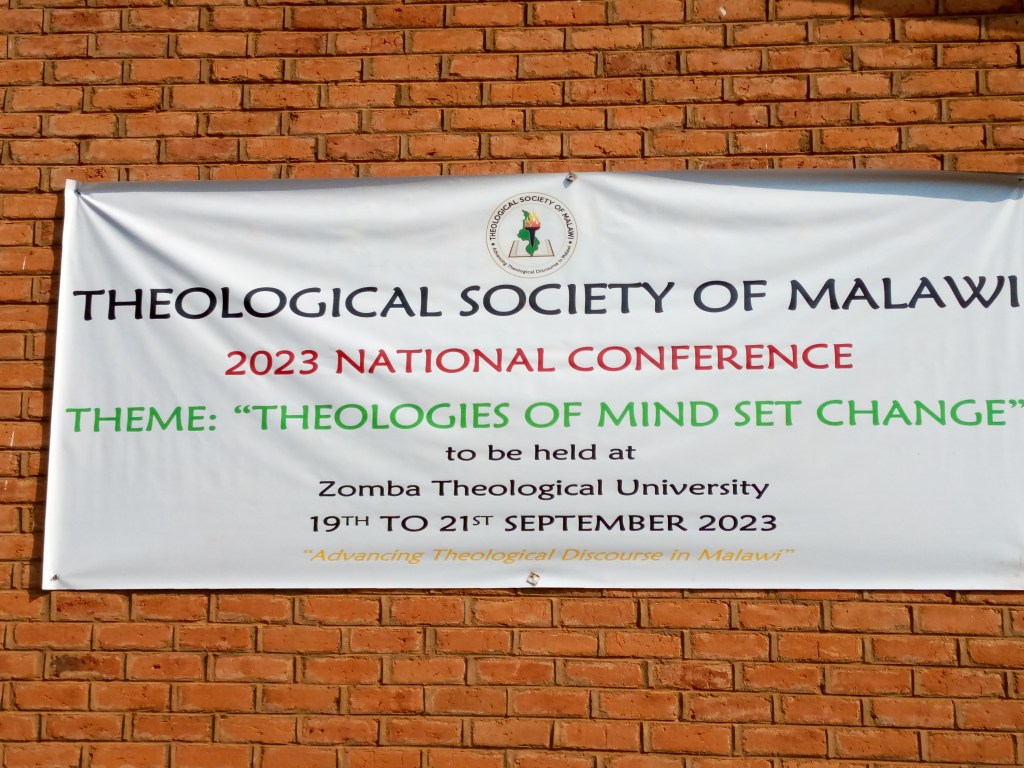
The Theological Society of Malawi has just held its fourth annual conference, hosted this year at Zomba Theological University – so a home game for me. It was a surprise to many participants that the discussions at the conference developed a strong focus on work ethic.
This is not usually the first theme that comes to mind when a group is attempting to do theology. The prompt on this occasion came from a Government-sponsored document titled Malawi’s Vision which attempts to imagine what kind of country Malawi could be in the year 2063 (part of a continental endeavour promoted by the African Union). To become a more prosperous country, it suggests that there needs to be a mindset change among Malawians.
A major element in this envisaged transformation is the cultivation of a strong work ethic, suggesting that the absence of a positive attitude towards work is inhibiting Malawi’s development. Malawi’s Vision states: “We shall inculcate a spirit of hard work at the household, community and national level by discouraging subsidies and handouts that hold us ransom as a people towards perpetual begging.”
It was a colonial trope, and a very unjust one, that Africans were lazy and idle. In fact, during the colonial period Malawians built up reputation for being hard-working and trustworthy, which enabled them to find employment all over southern Africa. Today, however, it seems that this work ethic has somehow been lost and it is Malawians themselves who are calling for a more positive attitude towards work.
One of those who voiced this concern was the theologian Augustine Musopole. My own contribution to the conference highlighted the way in which he handled the question of work ethic as a theological issue:
The Protestant work ethic does not come easy. It is developed when God is acknowleged as sovereign and work as an aspect of prayers and service to God. It is St Paul who said that whatever we do should be done to the glory of God. Work is a service to God and to our fellow human beings. Work also enhances our humanity. We feel more human when we work…. Work was mandated from the beginning of creation and was pronounced very good with the rest of creation. It is sin that turned it into a chore, a drudgery, and not a joy. However, in Christ Jesus, the curse on work has been lifted and work should be a creative pleasure.
The hope of the conference is that such a theological perspective can play a part in enabling Malawi to achieve the mindset change to which it aspires.
 Thinking Mission Blog